The 3Cs Framework: Why 'Credible' AI Beats 'Cool' AI (No More Theater: Just Results)

I've been watching e-commerce brands get burned by AI theater for two years now. They deploy dashboards that look like mission control but can't tell you why conversion dropped 12% last Tuesday. They integrate GPT wrappers that generate endless content but miss the one insight that could save their Q4.
Here's what I've learned: Cool AI gets demos. Credible AI gets results.
The difference isn't just philosophical: it's financial. When your retention budget is on the line and your LTV:CAC ratio determines whether you hit growth targets, you need AI that thinks like your best marketing analyst, not like a chatbot having a fever dream.
That's why we built Niti AI around what I call the 3Cs Framework: Clear, Cohesive, and Credible. Not because it sounds good in pitch decks, but because it's the only architecture that survives contact with real retention problems.
The Problem: AI That Sounds Smart But Acts Dumb
Let me paint you a picture that's probably familiar.
Your team deploys the latest AI-powered analytics platform. Demo day is magical: it surfaces "insights" like "Users who engage with email campaigns show 23% higher retention." Everyone nods. The CFO approves the budget.
Three months later, you're still manually pulling cohort data into Excel because the AI keeps hallucinating correlations that don't exist. It told you push notifications drove a retention spike, but when you dug deeper, you discovered it confused correlation with causation: the spike happened because you fixed a payment processing bug the same week.
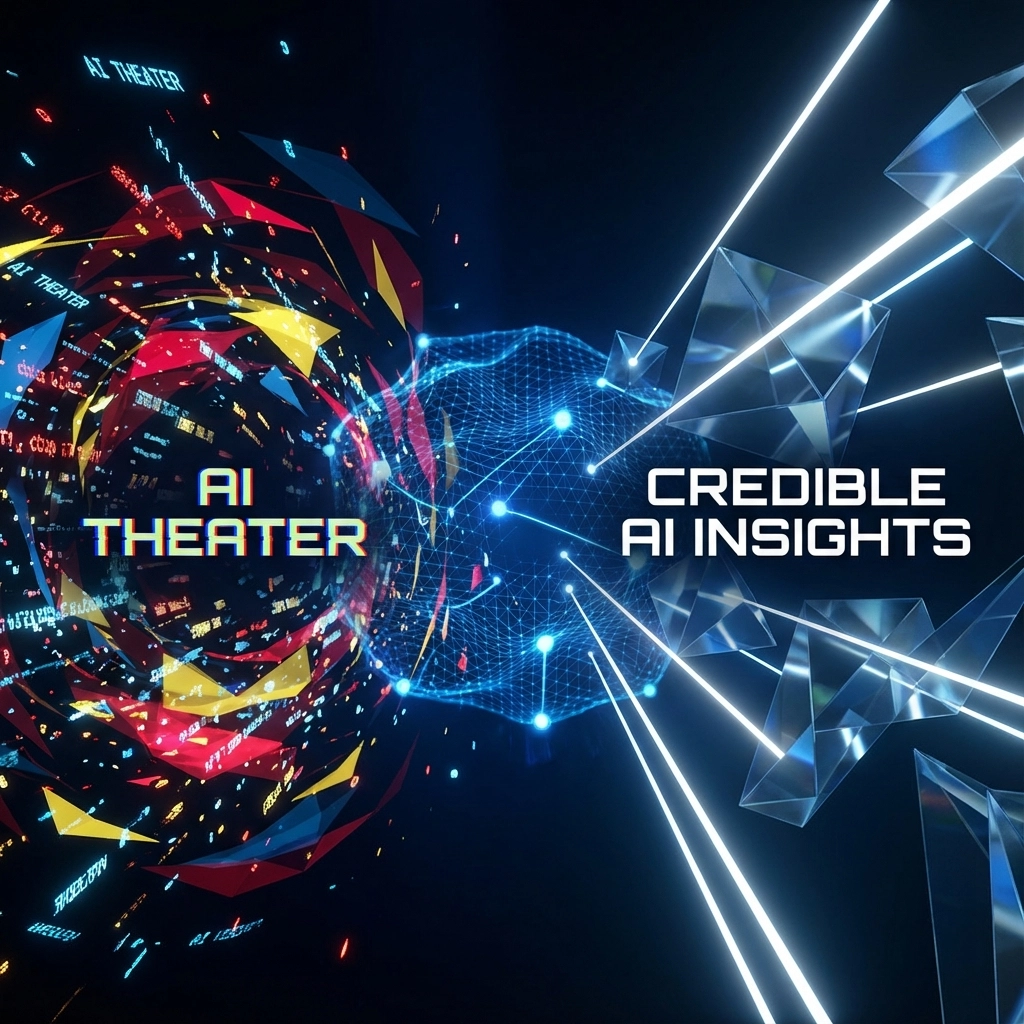
This is AI theater. It looks intelligent, sounds authoritative, and produces exactly zero actionable intelligence.
The smart operators I know stopped getting distracted by the show. They started asking different questions: Does this AI actually understand my business? Can I trust it to make decisions? Will it help me compound insight over time, or just generate more noise?
The 3Cs Framework: Building AI That Actually Works
1. Clear: Plain Language Insights, Prioritized Impact
The first C is about cutting through the complexity fog that kills retention programs.
Most AI platforms drown you in metrics. They'll show you 47 different ways to slice customer lifetime value, each more sophisticated than the last. Meanwhile, your churn rate is climbing because nobody can figure out which lever actually moves the needle.
Clear AI does the opposite. It speaks in operator language: "Your VIP segment is churning 40% faster than usual because they're hitting paywall friction on mobile checkout. Fix this first: it's worth $127K in recoverable MRR."
Notice what's happening here: specific problem, clear root cause, quantified impact, prioritized action. No jargon. No academic complexity. Just the insight you need to make a decision that compounds.
Here's what most people miss: Clarity isn't about dumbing things down: it's about surfacing what matters most when everything matters.
In practice, this looks like Niti AI's metric prioritization engine. Instead of presenting 200 retention metrics, it identifies the 3-5 that actually drive your business model, then monitors them for changes that require action. When something moves, you know why, you know by how much, and you know what to do about it.
2. Cohesive: 360° Stack-Wide Data Integration
The second C addresses the data fragmentation problem that makes most AI insights worthless.
I've seen retention teams spend months chasing the wrong optimization because their AI was making predictions based on incomplete data. It knew about email engagement but not SMS. It tracked purchase behavior but ignored support ticket patterns. It analyzed cohorts but missed the acquisition channel breakdown.
Cohesive AI connects all the dots. It doesn't just tell you that retention dropped: it tells you it dropped specifically for customers acquired through Facebook ads who bought your premium SKU and received shipping delays in their first 30 days.
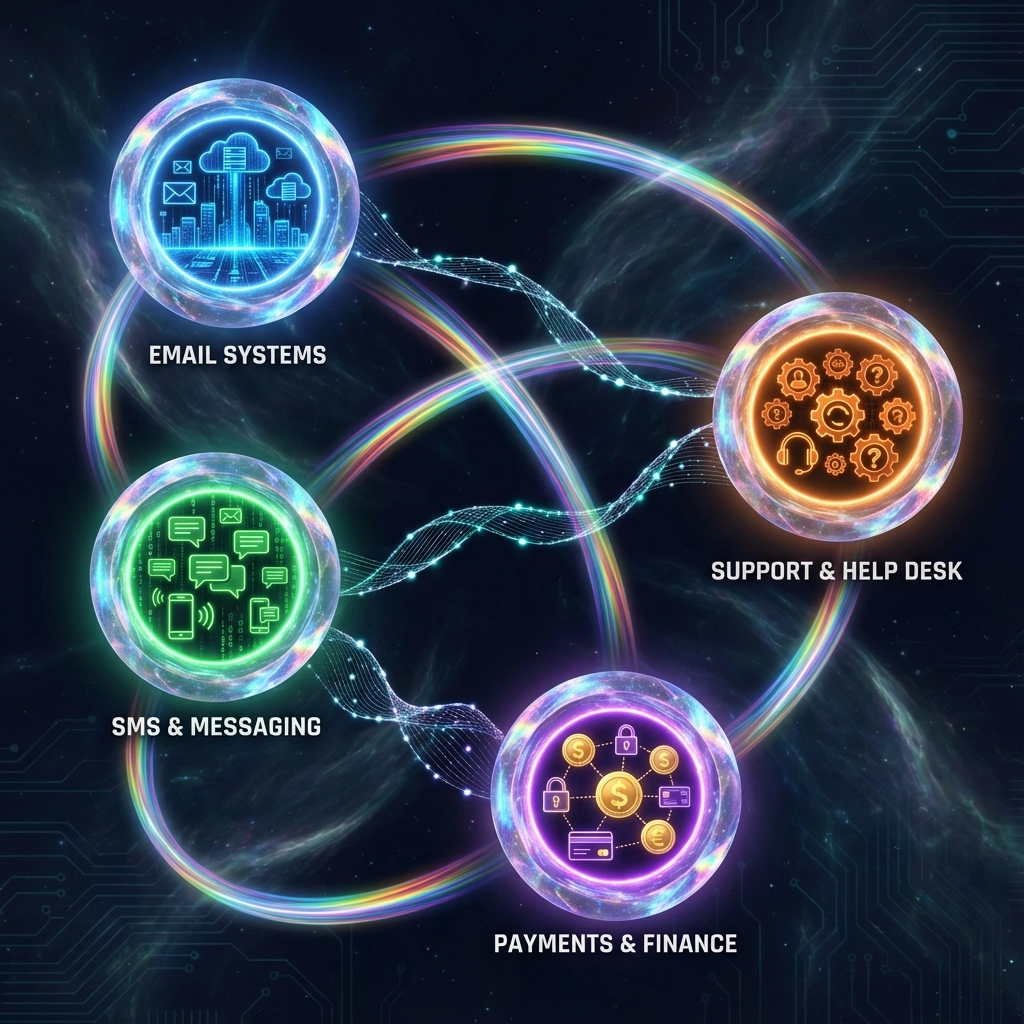
This is systems thinking made practical. When AI can see the full customer journey: from first touchpoint to final churn: it can identify the intervention points that actually matter.
Smart operators know that retention isn't a single metric: it's the emergent property of dozens of interconnected systems. Payment processing, inventory management, customer support, email marketing, product development. When these systems work together, you get compounding retention growth. When they're optimized in isolation, you get expensive whack-a-mole.
Cohesive AI acts as the intelligence layer that connects these systems and identifies the cross-functional plays that move retention metrics sustainably.
3. Credible: Zero Hallucinations, Root Cause Analysis
The third C is where most AI platforms fail catastrophically.
Here's a confession that keeps me up at night: I've seen retention teams make million-dollar decisions based on AI insights that were completely fabricated. Not because the AI was malicious, but because it was trained to sound confident even when it was guessing.
Credible AI doesn't guess. When it doesn't know something, it says so. When it identifies a pattern, it shows the underlying data and methodology. When it recommends an action, it explains the logic chain that led to that recommendation.
This isn't just about accuracy: it's about building the trust foundation that lets teams compound insight over time. When your retention team can depend on AI insights, they stop second-guessing every recommendation and start building systematic optimization processes.

In the before-times, analysts spent 80% of their time gathering and validating data, 20% generating insights. Credible AI flips this ratio. It handles the data collection and validation automatically, letting your team focus on the strategic work that actually moves retention metrics.
Here's what this looks like in practice: When Niti AI identifies that your customer satisfaction scores predict churn better than purchase frequency, it doesn't just make the claim: it shows you the statistical significance, the confidence intervals, and the specific data points that support the conclusion.
Why This Framework Is Your Competitive Moat
The 3Cs aren't just product principles: they're competitive advantages that compound over time.
While your competitors are still debugging their GPT wrappers and trying to figure out why their AI keeps recommending impossible actions, you're building systematic retention intelligence that gets smarter with every decision cycle.
Clear AI means your team moves faster because decisions don't get lost in translation between technical complexity and business reality.
Cohesive AI means you identify intervention points that your competitors miss because they're optimizing systems in isolation.
Credible AI means you compound insight over time because your team trusts the intelligence and builds on previous learnings instead of starting from scratch every quarter.
This is where the market is moving. The question is whether you're building for it.
The Alternative: Keep Playing AI Theater
You have two choices.
Option one: Keep chasing the latest AI buzzwords. Deploy tools that look impressive in demos but break down under operational pressure. Watch your retention team spend more time debugging insights than acting on them.
Option two: Build retention intelligence around the 3Cs Framework. Start with AI that speaks your language, sees your full customer journey, and earns trust through consistent accuracy.
The operators winning retention market share aren't using the coolest AI. They're using the most credible AI.
The difference shows up in their P&L statements.