
Colgate Just Admitted It Doesn't Understand D2C. The Problem Was Never the Budget.
Colgate-Palmolive just handed Palmolive's D2C business to Bombay Shaving Company, admitting it doesn't understand the D2C flywheel. The real lesson for every D2C operator: budget was never the constraint, the decision system was.

Colgate-Palmolive can outspend nearly every D2C brand in India combined. It still told investors this week that it doesn't understand the D2C flywheel.
Not "underinvested." Not "still learning." Prabha Narasimhan, MD of Colgate-Palmolive India, on the company's investor day: "It's not a flywheel that we understand as a company."
So Colgate handed Palmolive's entire consumer-facing e-commerce and D2C operation, advertising and customer relationships included, to Bombay Shaving Company, a digital-native brand it first took a minority stake in back in 2018. This is worth sitting with. A company with a 200-year distribution network and a marketing budget most founders can't imagine just admitted that none of it was the missing piece.
What Colgate Actually Handed Over
The arrangement is more specific than a media-buying handoff. Bombay Shaving Company now owns Palmolive's consumer-facing advertising and customer relationships across e-commerce and D2C, on an end-to-end basis. Colgate keeps product innovation, quality, supply chain, and traditional trade (modern trade, general trade, conventional advertising).
That split matters. Colgate didn't outsource execution. It outsourced decision rights over how spend gets allocated and reallocated in a channel that moves faster than its own planning cycle.
The Easy Read Misses the Real Asset
The obvious interpretation: a big FMCG player didn't want to build an in-house performance marketing team, so it rented one. That's not wrong. It's incomplete.
Colgate has scale, brand equity, and, per its own investor-day numbers, an e-commerce business already outperforming its offline one: roughly 400 basis points higher margin, 400 basis points higher market share, premium products carrying over half of online sales. Budget was never the constraint. What it doesn't have is a decision system, a way of turning real-time signal, which SKU, which creative, which channel is converting, into a resourcing decision fast enough to matter.
Offline decisions run on quarterly planning cycles and trade calendars. A D2C flywheel runs on daily, sometimes hourly, reallocation: pull budget off a stalling campaign, push it into one that's converting, adjust creative before the algorithm decides for you. You can't bolt that cadence onto an organization built for the other kind of decision-making. You import it, fully formed, from a company that already has it running.
Five Things Worth Noticing In How Colgate Structured This
- They handed over decision rights, not just execution capacity.
- They kept the parts of the business where their own decision loop is already mature: formulation, manufacturing, general trade. That's the line that tells you exactly where their internal decision-making breaks down.
- They're treating this as a multi-year learning arrangement, not a vendor contract. Narasimhan framed it as a two-to-three year window before the long-term impact is clear, which means they're budgeting time to rebuild an operating muscle, not just to learn ad buying.
- The gap showed up despite good underlying numbers. Palmolive already leads the premium handwash segment and Colgate's e-commerce economics beat its offline business, so this wasn't hiding a weak product or a bad market position.
- They called it a flywheel problem, not a team or budget problem. A flywheel is a compounding system: signal in, decision out, faster next time. You can't buy your way into a compounding system with a bigger check. You have to build or import the loop itself.
Why This Matters Beyond One FMCG Brand
A company can out-budget an entire competitive category and still lose on decision speed, because ad spend compounds slower than a working feedback loop between spend and outcome. The moat for a modern consumer brand isn't spend anymore, that's commoditized and biddable by design. It's whether the organization can see a causal signal and act on it before the quarter closes.
This is the exact trap most D2C brands fall into too, just at a smaller scale. More budget gets approved. More dashboards get built. None of it closes the actual gap, which is the distance between "we saw the signal" and "we acted on it correctly, fast."
The Operating Shift: From Budget to Decision System
A budget review tells you what happened. A decision system tells you why, and what to do next.
This is where Niti AI's decision intelligence platform fits into the operating model. It connects spend, sales, and margin into a shared view of how a D2C business actually performs, then runs the same loop Colgate is now trying to import wholesale:
- Detect the movement against a relevant baseline.
- Explain the likely cause and state the confidence level.
- Recommend one ranked action with an estimated impact range.
- Gate the action against margin, supply, and data quality.
- Measure the result at defined intervals.
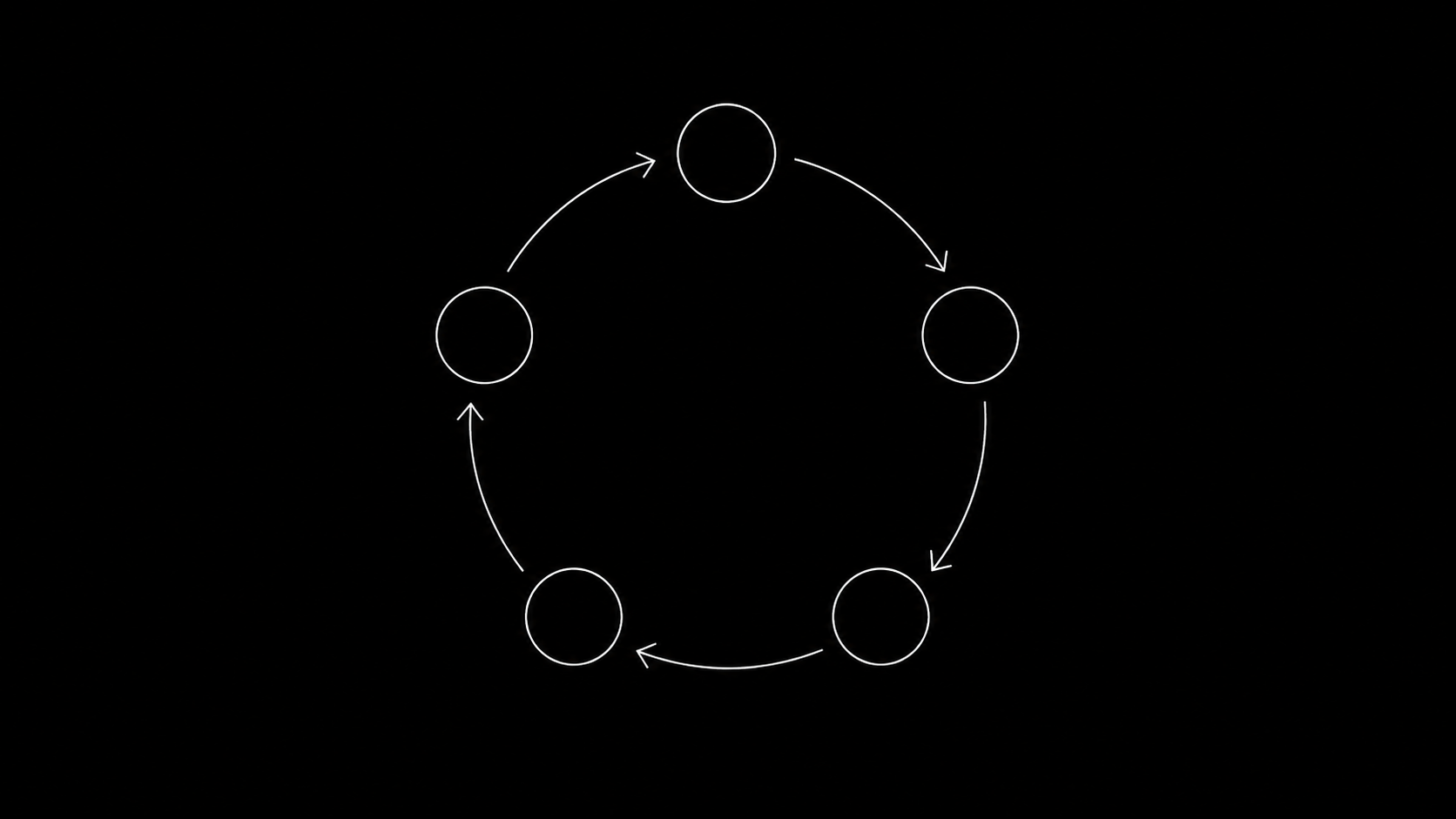
The difference between a D2C brand with this loop and one without it isn't the size of the marketing team. It's whether a reallocation decision that should take an hour takes a week, by which point the signal that triggered it is already stale.
A Practical Audit: Do You Have a Decision System or a Budget?
Most founders assume they have the former because they have a dashboard. Run this check against your own operation.
- Speed test: from the moment a campaign underperforms to the moment budget actually moves, how long does it take? If the answer is measured in days rather than hours, you have a reporting layer, not a decision system.
- Rights test: who has the authority to reallocate spend without a meeting? If every reallocation needs a sign-off chain, the decision rights live in a calendar, not in the data.
- Confidence test: when someone recommends killing a SKU or scaling a channel, is there a stated confidence level attached to that call, or is it presented as settled fact?
- Memory test: do you have a record of what was recommended, what was approved, and what actually happened afterward? Or does the same debate about the same underperforming SKU reopen every quarter?
- Import test: if your answer to all four above is weak, ask Colgate's question honestly: is this a flywheel you understand as a company, or one you'd need to import?
The Takeaway for Every D2C Operator
Colgate had every resource a founder could want and still concluded the missing piece wasn't purchasable with more ad spend. That's a useful signal for brands with a fraction of that budget: the constraint you're actually solving for was probably never money. It's whether your organization can turn a signal into a correct decision before the quarter closes, and if you don't have a Bombay Shaving Company to lease that capability from, you have to build the loop yourself.